GCC Jurisdictions
UAE Free Zones
Legal Entity Types
Years GCC Engineering
9% (above AED 375,000 profit)
5 %
AED
Abu Dhabi
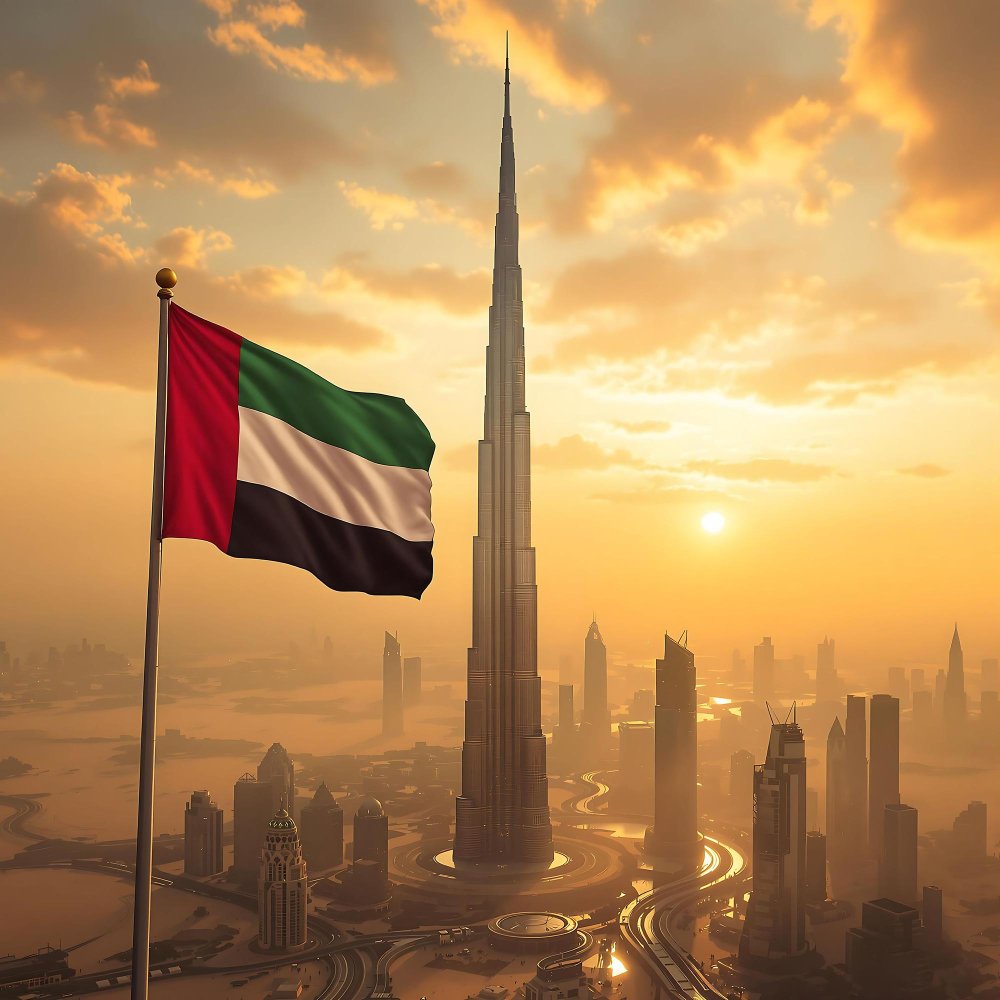
The UAE functions as the GCC's most advanced corporate infrastructure hub — a jurisdiction engineered for maximum capital deployment efficiency. With 45+ operational free zones, a continuously evolving mainland regulatory architecture, zero personal income tax, and world-class physical and digital infrastructure, the Emirates consistently rank among the top global destinations for entity formation. The 2021 regulatory recalibration eliminated the local partner mandate across most sectors, effectively opening 100% foreign ownership pathways. Whether your objective is a regional headquarters, a trading node, a fintech platform, or an energy services entity — the UAE offers a structural configuration precisely calibrated to your operational blueprint.
This is one of the most frequently misunderstood structural requirements in UAE entity engineering. Get it wrong, and you cannot access ADNOC sites.
The Critical Infrastructure & Coastal Protection Authority (CICPA) operates as Abu Dhabi's security infrastructure authority under the General Directorate of Armed Forces. CICPA issues security clearances for personnel and companies deploying within Abu Dhabi's most sensitive installations — including ADNOC oil fields, offshore platforms, refineries, power plants, ports, water infrastructure, and nuclear facilities.
Without a valid CICPA Security Pass, your personnel cannot physically access ADNOC-controlled sites, regardless of your contract or commercial relationship with ADNOC.
Kitesworth Partners Engineering: We have engineered the complete deployment pathway for numerous international energy service companies, engineering firms, inspection bodies, HSE consultants, and technology providers: Abu Dhabi mainland formation → SPC approval → ADNOC vendor registration → CICPA security pass. This is a multi-step, time-sensitive process that requires engineering expertise to navigate efficiently. Many companies lose weeks — or months — attempting this without specialist structural support.
Engage our engineering team today.
Many growing UAE businesses engineer a dual license structure — maintaining a free zone entity for international business and tax efficiency, while holding a mainland license (or using the ADDED Dual License Initiative) for domestic market access. This architecture is increasingly common and legally supported under UAE’s Dual License Initiative (DLI).
The UAE introduced a 9% Corporate Tax (CT) in June 2023. However, Qualifying Free Zone Persons (QFZPs) can still benefit from a 0% CT rate on their qualifying income — subject to meeting substance requirements and not conducting “excluded activities” or receiving “non-qualifying revenues” above a certain threshold.
Kitesworth Engineering: The UAE corporate tax framework is nuanced and actively evolving. Structural decisions engineered now will have significant tax consequences for years to come. Our team provides practical CT structural engineering in partnership with licensed UAE tax advisors.
How Kitesworth Partners Engineers Structures in United Arab Emirates
The UAE’s corporate architecture landscape is the most complex and opportunity-rich in the GCC. Engineering the choice between mainland and free zone, between Abu Dhabi and Dubai, between an LLC and a branch — these structural decisions have long-term tax, commercial, and regulatory consequences. Kitesworth Partners delivers engineered guidance backed by deep on-the-ground deployment experience. Whether you need an Abu Dhabi mainland entity for ADNOC access, a DMCC structure for international commodities trading, or a DIFC entity for your financial services practice — our engineering team has deployed it before, and we’ll engineer it right for you.
Expand each structural unit to review advantages, considerations, minimum capital, and deployment timeline.
The standard structural unit for foreign investors. Can be 100% foreign-owned via MISA license in approved sectors. Minimum 2 shareholders required (single-person LLC also permitted under recent regulatory amendments).
SAR 500,000 for manufacturing; discretionary for services
4–12 weeks
A modular corporate entity deployed within one of the UAE’s 45+ designated free zones. Architected for international trading, professional services, technology operations, logistics nodes, and holding structures. FZEs (single-shareholder) and FZCOs (multi-shareholder) deliver streamlined deployment with guaranteed full foreign equity.
Zone-dependent (AED 0 to AED 150,000+)
1–3 weeks
A direct operational extension of an overseas parent entity. Not a separate legal construct — it mirrors the parent’s name, activities, and liability profile. Engineered for project-specific deployments, government contract execution, or phased market entry testing.
None
4–8 weeks
A non-revenue operational node enabling foreign companies to deploy market intelligence, brand presence, and parent support functions within the UAE — without local invoicing capability.
None
4–6 weeks
A corporate vehicle registered within UAE jurisdiction but architected exclusively for international operations. Cannot conduct onshore UAE business. Deployed for asset holding, IP ownership, investment structuring, and wealth architecture.
None
1–2 weeks
A professional services entity engineered specifically for licensed practitioners — medical professionals, legal practitioners, engineers, accountants. Professionals can hold 100% equity in their field without local partner requirements.
None
3–6 weeks
Each emirate (UAE) or national body operates its own licensing authority. Engineering which authority governs your business is critical for sector access, government tenders, and regulatory compliance.
Entities registered with ADDED (Abu Dhabi DED) hold exclusive access to ADNOC's vendor network, CICPA security passes, and critical infrastructure projects. This makes Abu Dhabi mainland registration the only viable structural option for energy sector service providers. See the CICPA section for full engineering specifications.
Abu Dhabi Department of Economic Development (ADDED)
⚠️ CRITICAL INFRASTRUCTURE PROTOCOL: Only ADDED-licensed entities can register for CICPA Security Passes to access ADNOC-controlled facilities. This is a non-negotiable structural requirement for any company deploying personnel to ADNOC oil & gas infrastructure, refineries, offshore platforms, or critical energy nodes.
Dubai Department of Economy & Tourism (DET)
Dubai’s mainland licensing authority — formerly Dubai DED. Governs all mainland commercial, professional, and industrial licensing across Dubai. DET-licensed entities can operate across Dubai and access the full UAE domestic market infrastructure.
Sharjah Economic Development Department (SEDD)
Sharjah’s mainland authority — delivers one of the most cost-efficient mainland deployment models in the UAE, particularly for manufacturing, trading, and professional services operations.
Ajman Department of Economic Development
Among the most cost-efficient mainland deployment options in the UAE. Preferred by SMEs, trading entities, and service providers.
Ras Al Khaimah Economic Development
RAK mainland licensing for manufacturing, ceramics, industrial, and quarrying operations. RAK also hosts RAKEZ, one of the UAE’s most versatile multi-sector free zones.
Umm Al Quwain Economic Department
The UAE’s most cost-efficient emirate — engineered for budget-conscious SMEs and industrial operations.
World's #1 Free Zone (2024). 23,000+ member companies.
GCC's premier financial hub. Operates under English common law.
UAE's oldest and largest free zone. Adjacent to Jebel Ali Port.
Connected to Dubai International Airport. Premium hub for aviation businesses.
MENA's leading tech ecosystem. Home to Microsoft, Google, IBM, Cisco.
Integrated technology park with residential and commercial ecosystem.
MENA's media hub. Home to MBC, CNN, BBC, Reuters, LinkedIn.
World's largest dedicated healthcare zone. Regulated by DHCA.
Premium creative district for design-led businesses.
Science-focused campus. Dedicated labs and R&D facilities.
Hub for human capital management and education providers.
World's largest purpose-built education zone. 27+ universities.
Dedicated BPO and outsourcing hub in the region.
Formerly IMPZ. Cost-effective zone for media and printing businesses.
Dedicated studios, sound stages, and broadcast facilities.
Fastest-growing free zone. Competitive pricing for startups and SMEs.
UAE's largest industrial park. Plots, warehouses, factories available.
UAE's dedicated maritime free zone with drydock facilities.
Home to Al Maktoum International Airport. UAE's future aviation hub.
Dedicated zone for precious metals and jewellery businesses.
Urban free zone. Cost-effective alternative to DMCC with similar activities.
Dedicated biotech and life sciences research zone.
Dubai's dedicated clean energy and sustainability zone.
World's largest humanitarian hub for aid organizations.
Specialized zone for textile manufacturers and traders.
Specialist cold-chain zone at Dubai Airport for flowers and perishables.
JAFZA-managed zone for vehicle trading and auto services.
World's most sustainable city and clean energy innovation hub. MOU with SPC — limited CICPA eligibility available.
Connected to Abu Dhabi International Airport and Al Ain Airport.
Part of ADPC's Abu Dhabi Ports network.
Abu Dhabi's historic port zone for cargo and maritime services.
Industrial port zone adjacent to Abu Dhabi's manufacturing district.
Manages Abu Dhabi's industrial cities: ICAD I, II, III, IV, and Al Ain Industrial City.
One of the UAE's best value free zones. 7,000+ companies. Excellent warehouse infrastructure.
Largest industrial free zone in Sharjah. Direct port access.
One of the cheapest and fastest free zones in the UAE. Popular with freelancers.
Aligned with Sharjah's academic ecosystem. Lowest-cost zone in UAE.
Only dedicated publishing free zone globally.
Dedicated zone for healthcare providers and medical businesses.
Most versatile and affordable free zone in the UAE. Ideal for SMEs and startups.
Premier offshore company jurisdiction in the UAE.
Dedicated maritime zone for boat and vessel manufacturing.
Cost-effective, established free zone. Good for SME trading and services.
Very affordable media-focused zone. Popular with digital entrepreneurs.
Gateway to Indian Ocean trade routes. Critical for oil and maritime logistics.
Flexible, low-cost free zone popular for freelancers and consultants.
Dedicated oil industry zone adjacent to the Port of Fujairah.
Affordable zone ideal for startups and small businesses.
World's most sustainable city and clean energy innovation hub. MOU with SPC — limited CICPA eligibility available.
Connected to Abu Dhabi International Airport and Al Ain Airport.
Part of ADPC's Abu Dhabi Ports network.
Abu Dhabi's historic port zone for cargo and maritime services.
Industrial port zone adjacent to Abu Dhabi's manufacturing district.
Manages Abu Dhabi's industrial cities: ICAD I, II, III, IV, and Al Ain Industrial City.
One of the UAE's best value free zones. 7,000+ companies. Excellent warehouse infrastructure.
Largest industrial free zone in Sharjah. Direct port access.
One of the cheapest and fastest free zones in the UAE. Popular with freelancers.
Aligned with Sharjah's academic ecosystem. Lowest-cost zone in UAE.
Only dedicated publishing free zone globally.
Dedicated zone for healthcare providers and medical businesses.
Most versatile and affordable free zone in the UAE. Ideal for SMEs and startups.
Premier offshore company jurisdiction in the UAE.
Dedicated maritime zone for boat and vessel manufacturing.
Cost-effective, established free zone. Good for SME trading and services.
Very affordable media-focused zone. Popular with digital entrepreneurs.
Flexible, low-cost free zone popular for freelancers and consultants.
Dedicated oil industry zone adjacent to the Port of Fujairah.
Gateway to Indian Ocean trade routes. Critical for oil and maritime logistics.
Affordable zone ideal for startups and small businesses.

20% (foreign) / 2.5% Zakat (Saudi/GCC)
15%
SAR
Riyadh
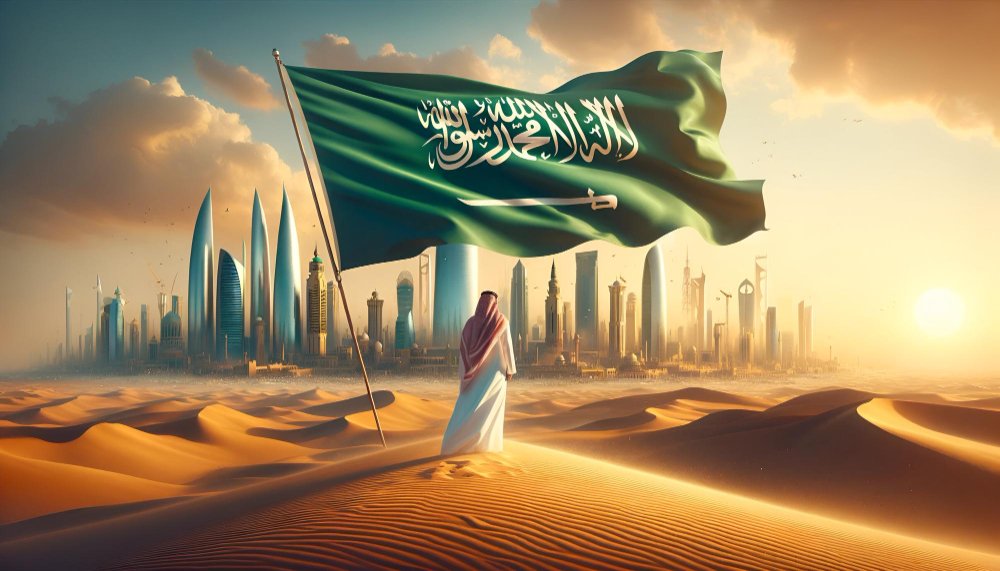
Saudi Arabia operates as the GCC's economic engine — the region's largest economy with a GDP exceeding $1 trillion. Under Vision 2030, the Kingdom has executed a comprehensive structural transformation, unlocking sectors previously closed to foreign capital, deploying mega-projects like NEOM, and establishing Special Economic Zones (SEZs) with unprecedented tax engineering. As of 2024, foreign investors can hold 100% equity in most sectors through a MISA (Ministry of Investment of Saudi Arabia) license. The Saudi market delivers unmatched scale, a domestic population of 36 million, and government capital allocation across infrastructure, tourism, entertainment, and technology generating enormous commercial opportunity.
Expand each structural unit to review advantages, considerations, minimum capital, and deployment timeline.
The standard structural unit for foreign investors. Can be 100% foreign-owned via MISA license in approved sectors. Minimum 2 shareholders required (single-person LLC also permitted under recent regulatory amendments).
SAR 500,000 for manufacturing; discretionary for services
4–12 weeks
Registered operational extension of overseas parent in Saudi Arabia. Requires MISA license and typically linked to a specific project, government contract, or construction mandate.
None specified
6–16 weeks
A non-revenue operational node for technology and scientific companies to deploy product promotion, technical support, and research functions — without commercial invoicing capability.
None specified
4–8 weeks
Each emirate (UAE) or national body operates its own licensing authority. Engineering which authority governs your business is critical for sector access, government tenders, and regulatory compliance.
MISA (formerly SAGIA) functions as the primary federal authority for all foreign investment licenses in Saudi Arabia. Every foreign-owned entity must secure a MISA investment license before commercial registration.
Oversees all Special Economic Zones (SEZs) and Economic Cities in Saudi Arabia, including KAEC, Jazan, and the emerging SEZs.
Kingdom of Saudi Arabia’s special economic zones and free zones are engineered to attract targeted industries with structural incentives not available on the mainland.
0% CIT for 30 years. 100% foreign ownership. Dedicated independent legal framework. The world's most ambitious city project.
350 km² economic city north of Jeddah. Includes King Abdullah Port.
Industrial powerhouse for heavy manufacturing and petrochemical processing.
Strategically positioned at King Khalid International Airport in Riyadh.
First dedicated cloud and data infrastructure SEZ in MENA.
Mineral industry hub connected to Saudi Arabia's rich mineral wealth.
0% CIT for 30 years. 100% foreign ownership. Dedicated independent legal framework. The world's most ambitious city project.
350 km² economic city north of Jeddah. Includes King Abdullah Port.
Industrial powerhouse for heavy manufacturing and petrochemical processing.
Strategically positioned at King Khalid International Airport in Riyadh.
First dedicated cloud and data infrastructure SEZ in MENA.
Mineral industry hub connected to Saudi Arabia's rich mineral wealth.
10% (foreign shareholders)
0% (No VAT currently)
QAR
Doha
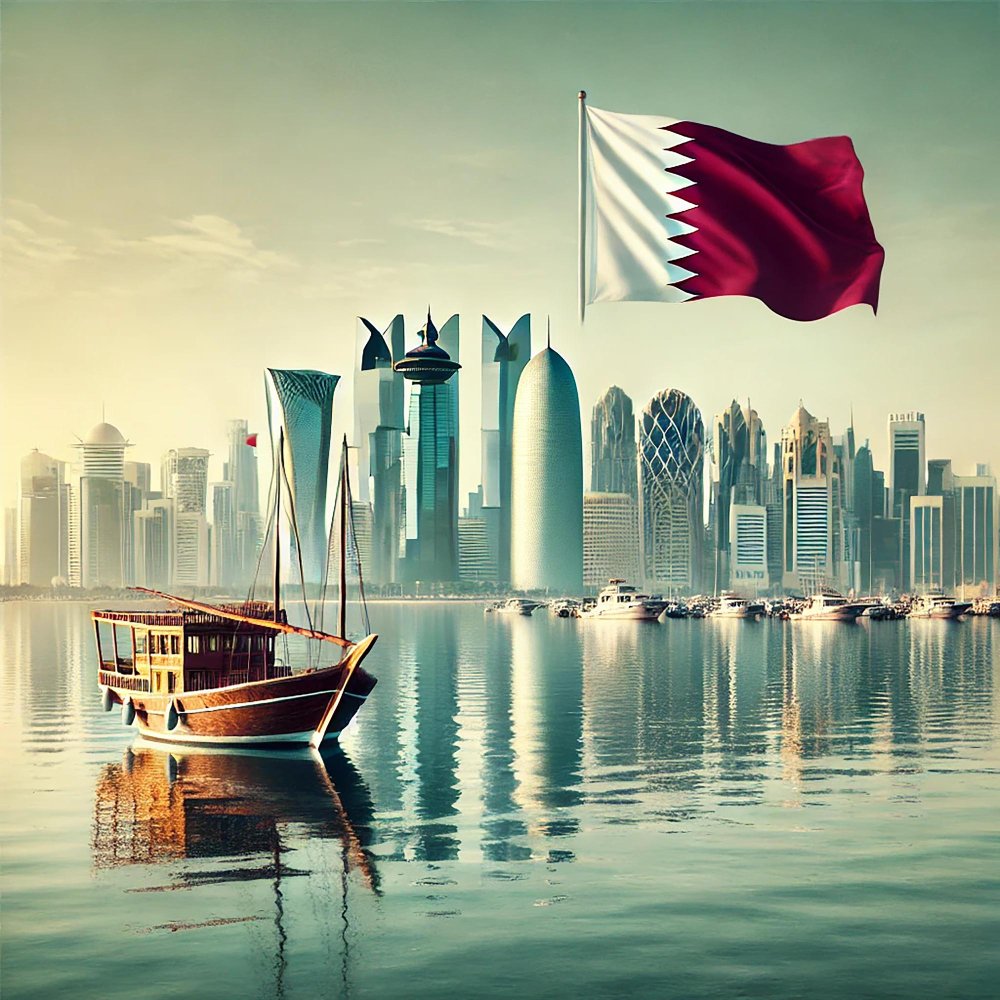
Qatar operates as the world's third-largest natural gas exporter and one of the highest GDP per capita nations globally. The post-World Cup infrastructure era has catalyzed aggressive economic diversification, with significant capital allocation to tourism, technology, finance, and logistics. Qatar now permits 100% foreign equity in most sectors, and the Qatar Financial Centre (QFC) delivers a world-class English common law jurisdiction for financial and professional services firms. With zero VAT and a corporate tax rate of just 10% on foreign shareholders, Qatar presents a compelling structural proposition for regional headquarters and energy sector operators.
Our engineering team has structured corporate entities in State of Qatar for clients ranging from global multinationals to ambitious regional entrepreneurs. We engineer the regulatory pathway so you don’t have to — from initial structural feasibility through to operational deployment.
The most deployed structure for businesses operating within the Qatari market. Now enables up to 100% foreign equity in most sectors following 2021 regulatory amendments.
QAR 200,000 minimum
4–8 weeks
QFC operates as an onshore financial and business centre under English common law with independent regulatory architecture, courts, and dispute resolution. Delivers 100% foreign equity and domestic market access — without physical free zone constraints.
None specified
2–4 weeks
Registered operational extension of overseas parent in Saudi Arabia. Requires MISA license and typically linked to a specific project, government contract, or construction mandate.
None specified
6–16 weeks
Each emirate (UAE) or national body operates its own licensing authority. Engineering which authority governs your business is critical for sector access, government tenders, and regulatory compliance.
Regulates all financial services entities deployed within QFC. Operates under English common law.
State of Qatar’s special economic zones and free zones are engineered to attract targeted industries with structural incentives not available on the mainland.
6km from Hamad International Airport. Pioneer in smart logistics and autonomous systems.
32km² zone adjacent to Hamad Port, the world's largest greenfield port.
Under Qatar Foundation. Hub for tech startups and energy research.
Onshore financial centre with English common law. Not a traditional free zone but operates with FZ-like benefits.
Under Qatar Foundation. Hub for tech startups and energy research.
Onshore financial centre with English common law. Not a traditional free zone but operates with FZ-like benefits.
6km from Hamad International Airport. Pioneer in smart logistics and autonomous systems.
32km² zone adjacent to Hamad Port, the world's largest greenfield port.
0% (no corporate income tax)
0% (No VAT currently)
BHD
Manama

Bahrain arguably operates as the most open and capital-efficient jurisdiction in the GCC. With zero corporate income tax (except on oil companies), 100% foreign equity permitted across virtually all sectors, and the entire country functioning as a free trade zone, Bahrain delivers a compelling structural proposition for businesses seeking Saudi market access through the King Fahd Causeway. As the GCC's original FinTech capital and home to the Central Bank of Bahrain's progressive regulatory sandbox, Bahrain is the preferred deployment base for financial services, professional services, and trading companies seeking a Gulf base without corporate tax burden.
Entity deployed within Bahrain’s designated free zones (Bahrain Logistics Zone, Bahrain International Investment Park). Full foreign equity, zero customs duties.
BHD 1000
3–4 weeks
Each emirate (UAE) or national body operates its own licensing authority. Engineering which authority governs your business is critical for sector access, government tenders, and regulatory compliance.
World-class logistics park adjacent to Khalifa Bin Salman Port.
Industrial investment park with competitive land lease rates.
Premium financial district. Bahrain's equivalent of DIFC.
World-class logistics park adjacent to Khalifa Bin Salman Port.
Industrial investment park with competitive land lease rates.
Premium financial district. Bahrain's equivalent of DIFC.
15% (foreign companies)
0% (No VAT currently)
KWD
Kuwait City
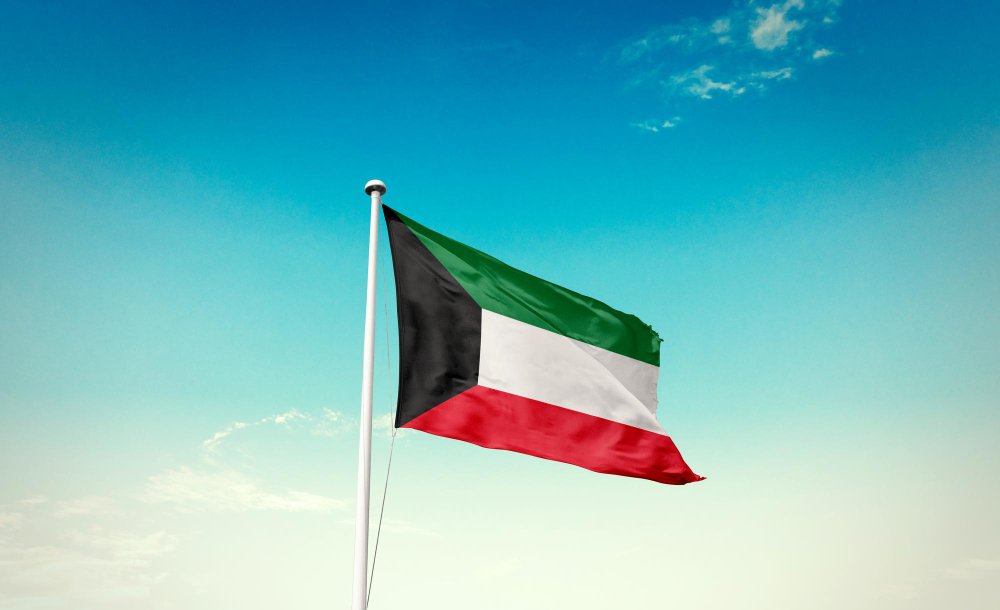
Kuwait operates as one of the world's wealthiest nations per capita, driven by vast oil reserves managed by Kuwait Petroleum Corporation (KPC) and its subsidiaries. While historically conservative in foreign investment policy, the New Kuwait Vision 2035 is accelerating structural reform. Kuwait has recently deployed its direct investment law enabling 100% foreign equity in select sectors, and KDIPA (Kuwait Direct Investment Promotion Authority) functions as the gateway for foreign investors. Kuwait has no VAT and delivers a large government spending budget in infrastructure, healthcare, and education — generating commercial opportunity for international businesses.
The standard commercial company structure in Kuwait. Foreign investors typically partner with a Kuwaiti sponsor holding at least 51% — though reforms are recalibrating this for select sectors.
KWD 25,000 minimum
8–16 weeks
Kuwait’s LLC structural equivalent. Limited liability, typically requires Kuwaiti partner for most activities. New KDIPA license can enable 100% foreign equity in approved sectors.
KWD 10,000
8–12 weeks
Foreign company branch linked to a government contract or specific project. No local partner required if KDIPA approves.
None
10–16 weeks
A specialized investment license for foreign companies in priority sectors, enabling 100% equity without a Kuwaiti partner.
KWD 100,000 minimum
12–20 weeks
Each emirate (UAE) or national body operates its own licensing authority. Engineering which authority governs your business is critical for sector access, government tenders, and regulatory compliance.
State of Kuwait’s special economic zones and free zones are engineered to attract targeted industries with structural incentives not available on the mainland.
0% CIT for 30 years. 100% foreign ownership. Dedicated independent legal framework. The world's most ambitious city project.
350 km² economic city north of Jeddah. Includes King Abdullah Port.
Industrial powerhouse for heavy manufacturing and petrochemical processing.
0% CIT for 30 years. 100% foreign ownership. Dedicated independent legal framework. The world's most ambitious city project.
350 km² economic city north of Jeddah. Includes King Abdullah Port.
Industrial powerhouse for heavy manufacturing and petrochemical processing.
15%
5%
OMR
Muscat
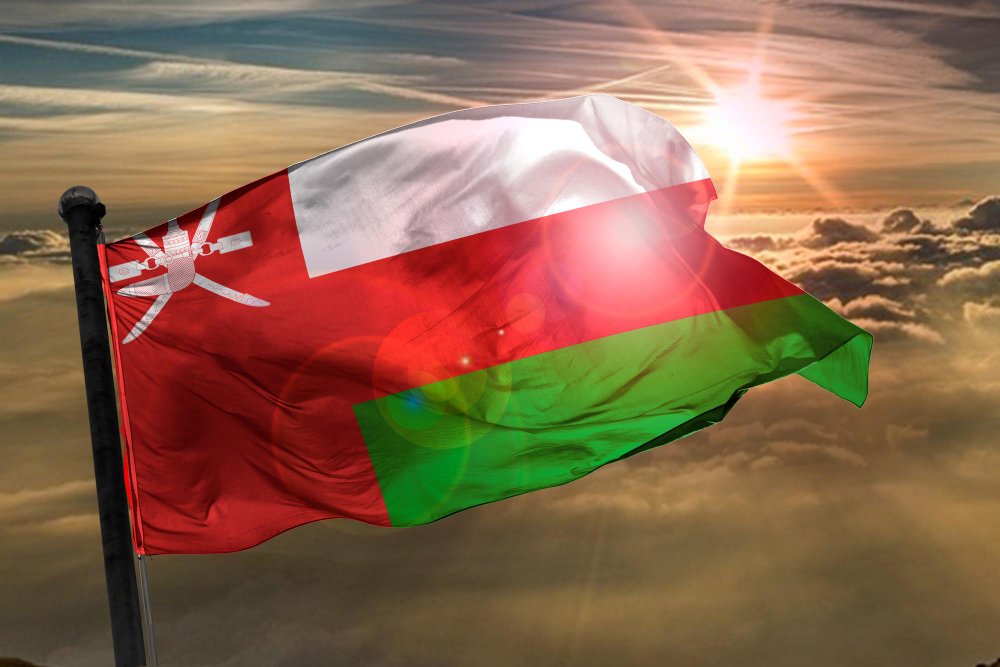
Oman occupies a unique strategic position — bordering both the Arabian Sea and the Gulf of Oman, with proximity to India, East Africa, and South Asia. Oman Vision 2040 is driving economic diversification across logistics, manufacturing, tourism, fisheries, and mining. The Duqm Special Economic Zone is one of the most ambitious in the GCC, offering deep-water port access, heavy industrial land, and exceptional tax engineering. Oman permits 100% foreign equity in approved sectors and maintains a politically stable, well-governed regulatory architecture.
Most deployed structure for foreign investors in Oman. Can be 100% foreign-owned in many sectors under the Foreign Capital Investment Law.
OMR 150,000 for large commercial entities
4–8 weeks
For companies with government or oil sector contracts. Common for PDO, OQ, and Ministry of Oil-linked projects.
None
6–10 weeks
Each emirate (UAE) or national body operates its own licensing authority. Engineering which authority governs your business is critical for sector access, government tenders, and regulatory compliance.
One of the largest in the world by area (2,000km²). Home to Oman's major oil refinery and drydock facility. 100% ownership, 30-year tax exemption.
Adjacent to Sohar Port and Industrial Estate. Major logistics hub on the Strait of Hormuz.
Connected to Salalah Port — one of the region's busiest transshipment hubs.
Key border trade zone on the Oman-Yemen border.
Oman's technology park for IT and innovation businesses.
Capital-city free zone for services and trading businesses.
Oman's technology park for IT and innovation businesses.
Capital-city free zone for services and trading businesses.
Key border trade zone on the Oman-Yemen border.
Connected to Salalah Port — one of the region's busiest transshipment hubs.
One of the largest in the world by area (2,000km²). Home to Oman's major oil refinery and drydock facility. 100% ownership, 30-year tax exemption.
Adjacent to Sohar Port and Industrial Estate. Major logistics hub on the Strait of Hormuz.
The GCC energy sector, defence, and government contracting landscape has specific regulatory requirements that go far beyond standard company registration. These are the structural gaps your competitors don't engineer for — until it's too late.
 UAE — Abu Dhabi
ADNOC Operations
Only Abu Dhabi ADDED-licensed (mainland) companies can register with ADNOC as vendors and obtain CICPA passes. Free zone and out-of-emirate companies are NOT eligible.
Nuclear Sector (ENEC / Barakah)
All contractors deploying to UAE nuclear projects must hold Abu Dhabi mainland licenses and undergo FANR (Federal Authority for Nuclear Regulation) and CICPA security clearance.
UAE Defence & Security
Defence contracting, security services, and weapons-related activities are restricted to UAE nationals or require special federal approvals. Foreign companies operate under strict licensing protocols.
Emiratisation (Mainland Companies)
UAE mainland companies with 50+ employees must meet Emiratisation quotas. Companies with 20–49 employees in certain sectors face quotas from 2024 onwards.
 Saudi Arabia
Saudi Aramco (Iktva Compliance)
To become an Aramco approved vendor, companies must register on the Aramco Supplier Portal and demonstrate Iktva (In-Kingdom Total Value Add) compliance — a programme measuring the percentage of work performed in Saudi Arabia.
Restricted Sectors for Foreign Investors
Oil exploration (upstream) remains restricted. Defence, certain utilities, Hajj services, and some strategic services require Saudi partnership or remain closed to foreign investors.
Saudization (Nitaqat) Quotas
All companies with employees must comply with Nitaqat workforce localization quotas. Non-compliance results in inability to sponsor expatriate visas.
Regional HQ Requirement
MNCs wishing to access Saudi government contracts may be required to establish a Regional Headquarters (RHQ) in Saudi Arabia — a new requirement phased in under Vision 2030.
 Qatar
Qatar
Qatar Energy Vendor Registration
Working with QatarEnergy (formerly Qatar Petroleum) requires mainland Qatar LLC registration, vendor pre-qualification on the QatarEnergy supplier portal, and sector-specific technical certifications.
100% Foreign Ownership Exceptions
While most sectors now allow 100% foreign ownership, commercial agencies, legal services, real estate, and certain strategic sectors still require Qatari partnership or remain restricted.
Qatarization
Qatar imposes Qatarization requirements. Companies must maintain a minimum percentage of Qatari nationals in their workforce, which varies by sector.
 Bahrain
BAPCO (Bahrain Petroleum Company) Vendors
Bahrain’s national oil company requires mainland Bahrain WLL or branch registration for vendors. The CBB (Central Bank of Bahrain) regulates all financial services in the kingdom.
Bahrainization
Employment quotas apply to all companies operating in Bahrain. The Lmsa portal manages workforce localization compliance.
 Kuwait
Kuwait Petroleum Corporation (KPC) / Kuwait Oil Company (KOC)
Vendor registration with KOC, KNPC, and other KPC subsidiaries requires a Kuwaiti commercial license (WLL or KSC). Foreign branches via KDIPA may also qualify under certain project-specific frameworks.
51% Local Ownership (General Rule)
Most sectors in Kuwait still require 51% Kuwaiti ownership. The KDIPA exception for priority sectors is available but requires rigorous approval and demonstrated economic benefit.
Kuwaitization
All companies must meet Kuwaitization quotas for local employment. Private sector companies face monitoring through the Manpower and Government Restructuring Programme (MGRP).
 Oman
Oman
PDO (Petroleum Development Oman) / OQ Vendors
Working with Oman’s major energy companies requires a mainland Oman LLC or branch, registration on the ICV (In-Country Value) portal, and PDO/OQ technical pre-qualification.
Omanisation
Oman has mandatory Omanisation quotas by sector. Non-compliance restricts a company’s ability to renew visas and licenses. Quotas are strictly enforced.
In-Country Value (ICV)
Oman’s ICV programme — similar to Saudi Iktva and UAE In-Country Value — requires energy sector vendors to demonstrate local economic contribution through local employment, procurement, and training.
Every year, companies invest capital deploying in the wrong jurisdiction or under the wrong legal structure — only to discover they cannot access their target client, cannot obtain the required security pass, or cannot meet vendor pre-qualification criteria. Restructuring a company after deployment is costly, disruptive, and sometimes impossible without full liquidation and re-registration. Kitesworth Partners' pre-formation engineering process is specifically designed to surface these structural issues before you commit to a jurisdiction. We engineer around your target clients, your supply chain position, your sector, your tax position, and your growth plans — then design the structure that will genuinely serve your business for years to come.

This digital presence serves as the official record of Kitesworth Partners. All strategic frameworks, entity designs, and technical contents are governed by the statutory oversight of Kitesworth Partners Commercial Projects LLC. © 2026. Global rights reserved. Every element within this platform is engineered for institutional certainty and exists as a protected asset within our international industrial mandate.